Psicologia Al Desnudo | @psi.mammoliti
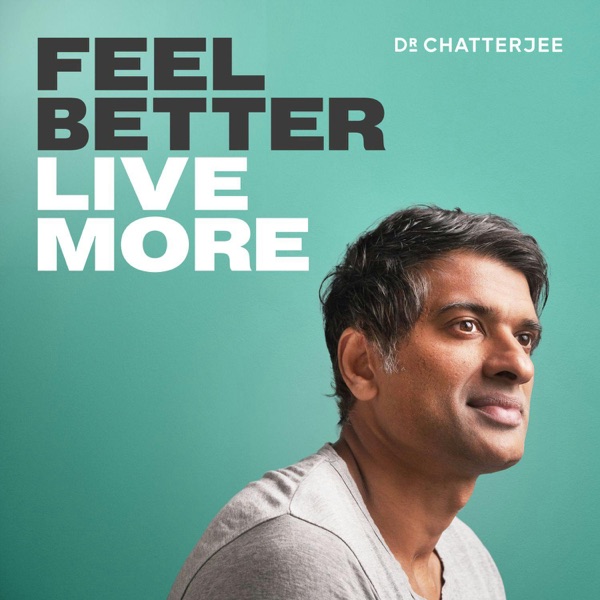
Why is it so hard to decide what to eat? Perhaps because while our ancestors ate whatever they could hunt or gather, we’re faced with tens of thousands of choices in the supermarket. This week’s guest says understanding that mismatch – and treating yourself with kindness – is the first step to a healthy and informed relationship with food. Daniel Lieberman is Professor of Human Evolutionary Biology at Harvard University and author of the new book Fed Up: What Evolution Reveals About Food, Diet and Eating Well. In it he draws on evolutionary biology, anthropology and physiology to explain how our ancestors ate – and why the modern food environment is so hard to navigate. Daniel shares some anecdotes about his time with hunter-gatherer communities, including a farewell dinner he threw for the Hadza tribe in Tanzania, which reveals a lot about human nature, carbohydrates and our drive to overeat. He explains that natural selection favours reproduction over health, which helps explain why we crave calorie-rich…
Why is it so hard to decide what to eat? Perhaps because while our ancestors ate whatever they could hunt or gather, we’re faced with tens of thousands of choices in the supermarket. This week’s guest says understanding that mismatch – and treating yourself with kindness – is the first step to a healthy and informed relationship with food. Daniel Lieberman is Professor of Human Evolutionary Biology at Harvard University and author of the new book Fed Up: What Evolution Reveals About Food, Diet and Eating Well. In it he draws on evolutionary biology, anthropology and physiology to explain how our ancestors ate – and why the modern food environment is so hard to navigate. Daniel shares some anecdotes about his time with hunter-gatherer communities, including a farewell dinner he threw for the Hadza tribe in Tanzania, which reveals a lot about human nature, carbohydrates and our drive to overeat. He explains that natural selection favours reproduction over health, which helps explain why we crave calorie-rich…
Why is it so hard to decide what to eat? Perhaps because while our ancestors ate whatever they could hunt or gather, we’re faced with tens of thousands of choices in the supermarket. This week’s guest says understanding that mismatch – and treating yourself with kindness – is the first step to a healthy and informed relationship with food. Daniel Lieberman is Professor of Human Evolutionary Biology at Harvard University and author of the new book Fed Up: What Evolution Reveals About Food, Diet and Eating Well. In it he draws on evolutionary biology, anthropology and physiology to explain how our ancestors ate – and why the modern food environment is so hard to navigate. Daniel shares some anecdotes about his time with hunter-gatherer communities, including a farewell dinner he threw for the Hadza tribe in Tanzania, which reveals a lot about human nature, carbohydrates and our drive to overeat. He explains that natural selection favours reproduction over health, which helps explain why we crave calorie-rich…
Breathing is something we all do automatically, so it's easy to assume we're doing it well. But what if one of the simplest ways to improve your sleep, energy levels and stress wasn't a gadget, a retreat, or a prescription. Today’s Bitesize is from episode 644 of the podcast with science journalist and author James Nestor. In this clip, James explains why the way we breathe may be affecting our stress levels, energy and sleep, and some simple changes that could make a real difference. Perhaps the most exciting thing about this conversation is how simple and accessible everything we discuss is. The foundations of healthy breathing don’t cost a thing. You just need to unlearn some key habits and start making small changes – for big results. Thanks to our sponsor https://drinkag1.com/livemore Show notes and the full podcast are available at drchatterjee.com/644 Support the podcast and enjoy Ad-Free episodes. Try FREE for 7 days on Apple Podcasts https://apple.co/feelbetterlivemore For other podcast…
A note from Dr Chatterjee: this episode includes descriptions of the humanitarian impact of war, including death, serious injury, violence and suicidal thoughts. You may find them distressing so please listen with care. How do you help a child heal while they’re living in a war zone? And what can those methods teach the rest of us about caring for the people we love? My guest this week has spent nearly two decades finding out. Dr Alexandra Chen is a Harvard-trained trauma psychologist and psychotherapist who has worked in around 15 different conflict zones across the world. Her Early Light Foundation charity provides ‘a haven of trauma healing and hope for war-affected children and families worldwide’. We begin with the realities of her work, including the invisible wounds war leaves behind, and why her team’s first rule is never to make promises they can’t keep. Alexandra shares the moving patient stories of a seven-year-old dancer learning to carry an unbearable loss, and a torture survivor who asked her…
We live in a culture that often celebrates the ‘perfect’ relationship but does little to prepare us for the reality of long-term commitment. Modern life is filled with idealised images of love and marriage – but the truth, as today’s guest suggests, is far more human, messy and ultimately hopeful. Today’s Bitesize is from episode 574 of the podcast with author, internationally renowned philosopher, and founder of The School of Life, the wonderful Alain de Botton. In this clip, Alain shares a refreshing perspective on relationships, why he believes love is a skill rather than just a feeling, and how changing our expectations could help us build deeper, more lasting connections. There’s something deeply reassuring in knowing that love doesn’t have to look like the stories we grew up with. And by letting go of these cultural myths and by embracing each other’s flaws, we improve not only our relationships, but also how happy and contented we feel. Thanks to our sponsor https://heights.com/livemore Show notes and…
Are you in control of your nervous system – or is it in control of you? It's a question that deserves your attention, because the answer affects everything from how well you sleep to how you react when life is hard. And my guest this week believes most of us have more agency than we realise. Dr Kristen Holmes is Global Head of Human Performance and Principal Scientist at the wearable-tech company WHOOP. She’s also a former US national field hockey player and one of the most successful coaches in Ivy League history. In her new book, Aligned, she argues that a well-regulated nervous system is the foundation for our health, performance and relationships. We start by exploring what a balanced nervous system looks like in daily life, why some people need to begin with their body and others with their mind, and why Kristen prefers the word agency to control. Kristen then talks me through a study she led with WHOOP, in which 39,000 of its members tried four simple, free daily behaviours, and what happened to their…